Entry · Ref TEVJPBMH
Blind installation timelines: what to expect for your project
- Posted
- 2026-11-24
- Last amended
- 2026-11-24
- Account
- @roomsinlight
Why installation time varies for different blind types
When you decide to have new blinds fitted, one of the first practical questions is how long the whole process will take. The answer depends on several factors: the type of blind, the number of windows, the complexity of each fitting, and whether the windows are standard sizes or unusual shapes. Understanding these variables helps you plan around the installation without guesswork.
For most residential projects, the actual fitting of blinds is the last and shortest stage. What takes longer is the preparation: measuring, manufacturing made-to-measure blinds, and coordinating a site survey if one is needed. A good rule of thumb is to allow several weeks from the initial enquiry to the finished installation, but the fitting itself rarely takes more than a few hours for a typical home. For a business with many windows, the timeline scales accordingly.
The initial steps: enquiry and site survey
Before any fitting can happen, the right measurements must be taken. If you are ordering made-to-measure blinds, accurate measurement is critical. Many suppliers offer a site survey where a professional visits your property to measure each window and check for any quirks in the recess or frame. This step can usually be arranged within a few days of your enquiry, depending on the company's schedule and your availability.
The survey itself is quick: a single window takes around ten to fifteen minutes to measure thoroughly, and a whole house might take under an hour. The surveyor will note the exact width and drop required, check the depth of the recess for fitting brackets, and look for any obstructions such as handles or pipes that might affect the blind's operation. Once the measurements are confirmed, they are sent to the workshop for production.
Manufacturing lead time for made-to-measure blinds
Made-to-measure blinds are not stocked on a shelf. Each one is cut, assembled and checked to order. Lead times vary by manufacturer and by the complexity of the blind. A simple roller blind or a standard venetian blind might be ready in a week or two, while a complex Roman blind with multiple folds or a blackout lining can take closer to three or four weeks. Motorised blinds often take longer because the motors and controls need to be integrated and tested.
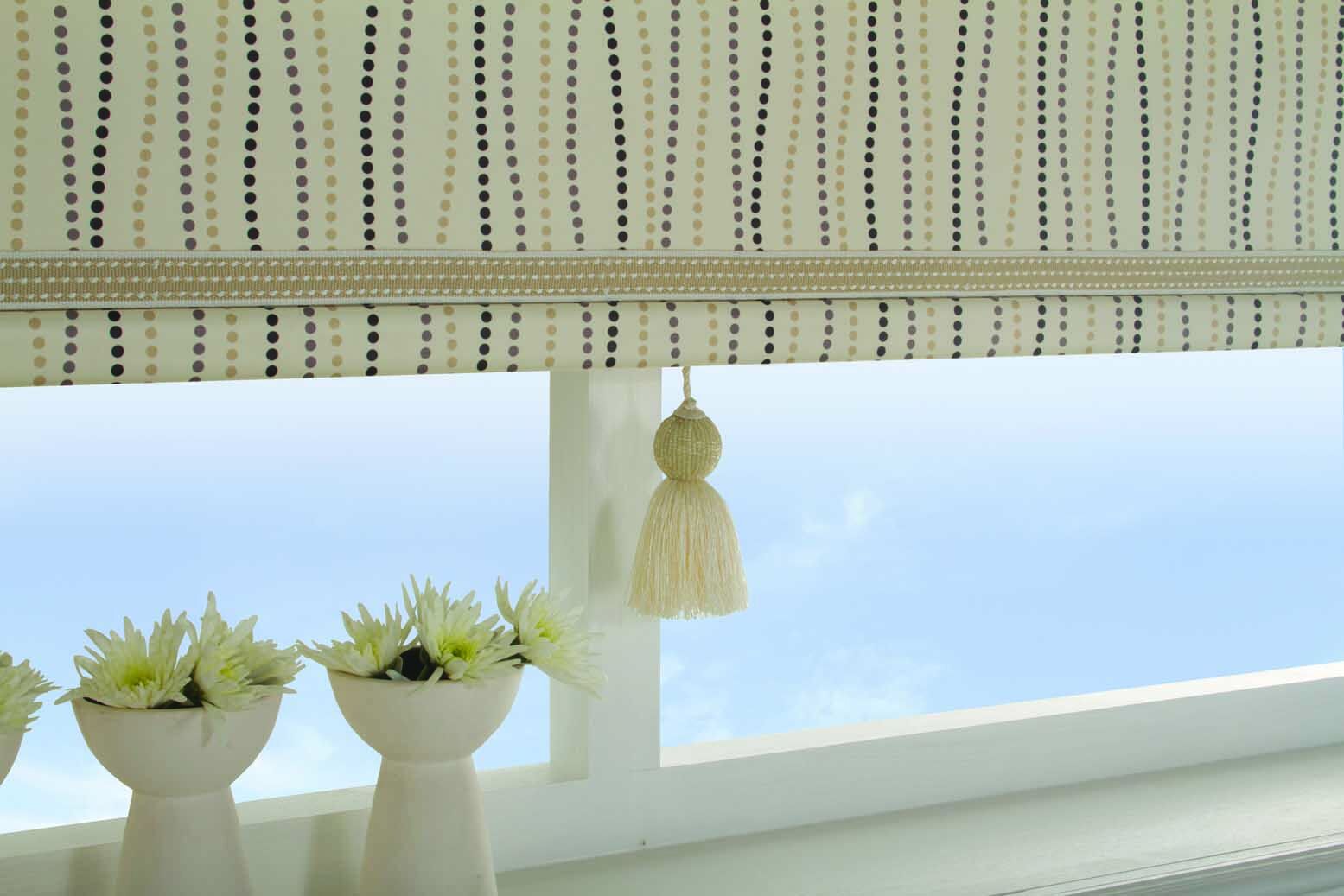
During this period, the customer typically waits for a call or email to schedule the installation appointment. If you have a deadline - for example, you are moving into a new home - it is worth discussing the timeline at the point of order so that the production can be planned accordingly. Most companies will give you an estimated lead time at the quotation stage.
Installation day: how long the fitting takes
On the day of the appointment, the fitter arrives with the finished blinds, the correct brackets, screws and any fittings needed. The time taken to install each blind depends on the type and the condition of the window frame. A standard roller blind inside a recess can be fitted in about fifteen to twenty minutes. A Roman blind, which requires careful alignment and often a headrail system, may take thirty minutes or more per window. Heavy blinds, such as blackout curtains on a track, need more attention to ensure the brackets are securely fixed.
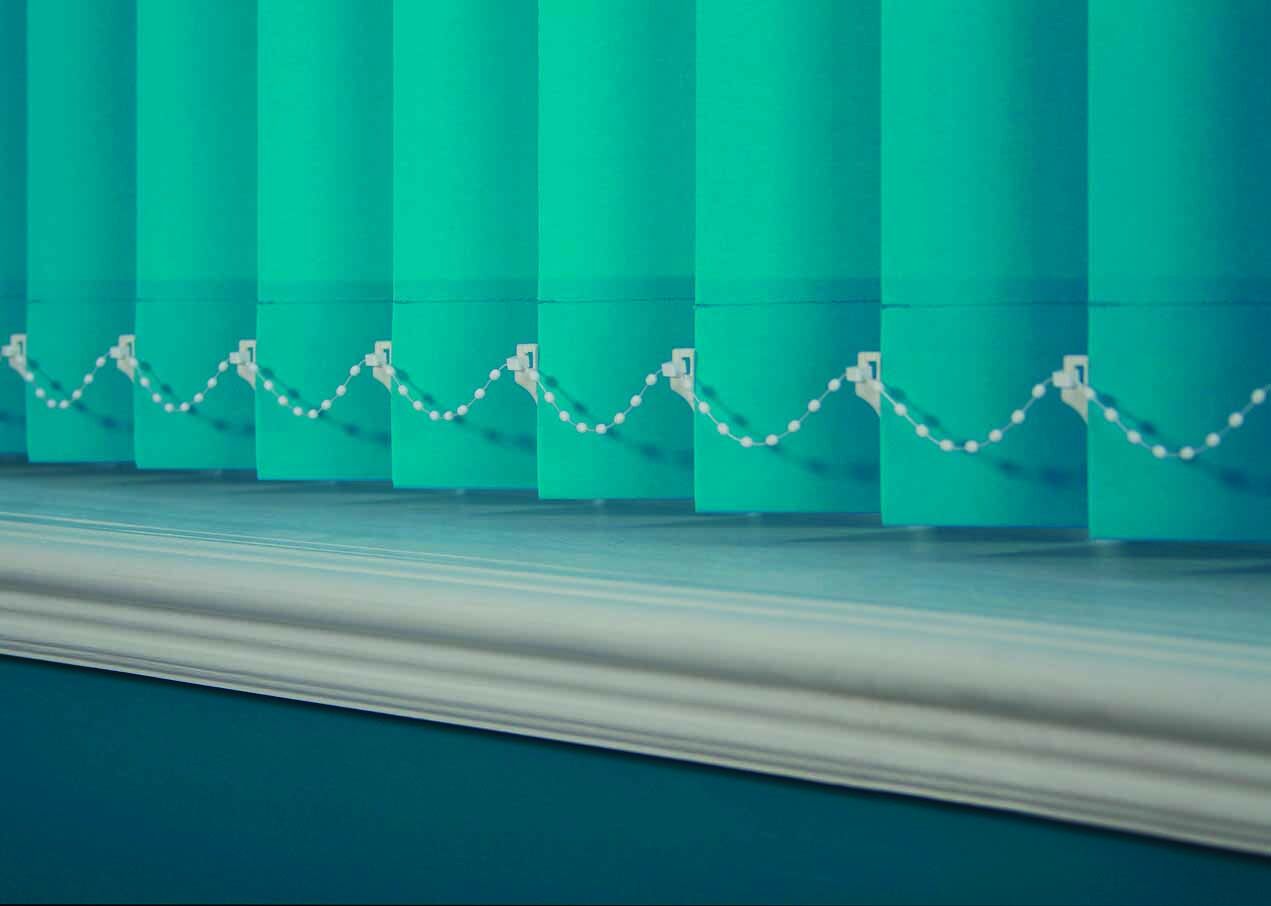
For a typical three-bedroom house with six to eight windows, the whole installation is usually completed in two to four hours. Larger projects, such as a house with ten or more windows plus patio doors and a conservatory, can take a full day or sometimes two. The fitter will work methodically, drilling holes for the brackets, securing them, hanging the blinds, and testing the operation of each one. They will also adjust the operating chain or cord to the correct length and fit any child safety devices that are required.
One factor that can extend the installation time is the condition of the walls or window frames. If the plaster is soft, the brick is crumbly, or the frame is made of a hard material such as concrete or steel, the fitting takes longer because the fitter needs to use different fixings or drill more carefully. Similarly, if the window is an unusual shape - an arch, a circle, or a very deep recess - the fitting may require custom brackets or additional adjustment on site.
Factors that can delay the timeline
Even with careful planning, some delays are outside anyone's control. Manufacturing errors, though rare, can happen: a blind may arrive with the wrong colour, a faulty mechanism, or dimensions that do not match the survey. When this occurs, a replacement must be ordered, adding another one to three weeks to the timeline. Similarly, if a window is discovered to be non-standard only at the fitting stage - for example, the recess is deeper than expected and the brackets do not reach - the fitter may need to return with different components.
Weather can also play a part. For external blinds such as awnings or outdoor roller blinds, installation may need to be postponed if it is raining or windy. Indoor blinds are rarely affected by weather, but if the fitter needs to work near an open window or door on a cold day, the customer may prefer to reschedule. Finally, the availability of the customer can affect the timeline: if the appointment has to be moved because the house is not ready or the customer is away, the slot may not be available again for several weeks.
For customers looking for a reliable fitting experience, choosing a local company that manages the whole process - from survey to manufacture to installation - can help keep timelines predictable. A business like Peak Blinds - Hand Fitted Blinds - Derbyshire handles each stage with a single point of contact, so there is no handoff between different teams that might cause delays.
What you can do to keep the project on schedule
To make sure your installation runs smoothly, a few simple steps help. Clear the area around each window before the fitter arrives: move furniture, take down curtains or existing blinds, and remove any ornaments from the sill. This saves the fitter time and prevents accidents. If you have pets or young children, it is also helpful to keep them away from the work area during the installation.
Check that the windows are accessible and that the fitter can reach them without obstruction. If the window is above a kitchen counter or behind a fixed piece of furniture, let the company know in advance so they can bring the right ladders or tools. Also, confirm that the power is on if any motorised blinds need to be tested during the fitting.
Finally, be realistic about the timeline. If you need blinds for a new home before you move in, place the order as early as possible. A typical project from enquiry to finished installation takes between three and six weeks for made-to-measure blinds. For off-the-shelf blinds that are cut to size at the shop, the process can be faster - sometimes just a few days - but the fit may not be as precise.
Planning ahead for multiple rooms or complex windows
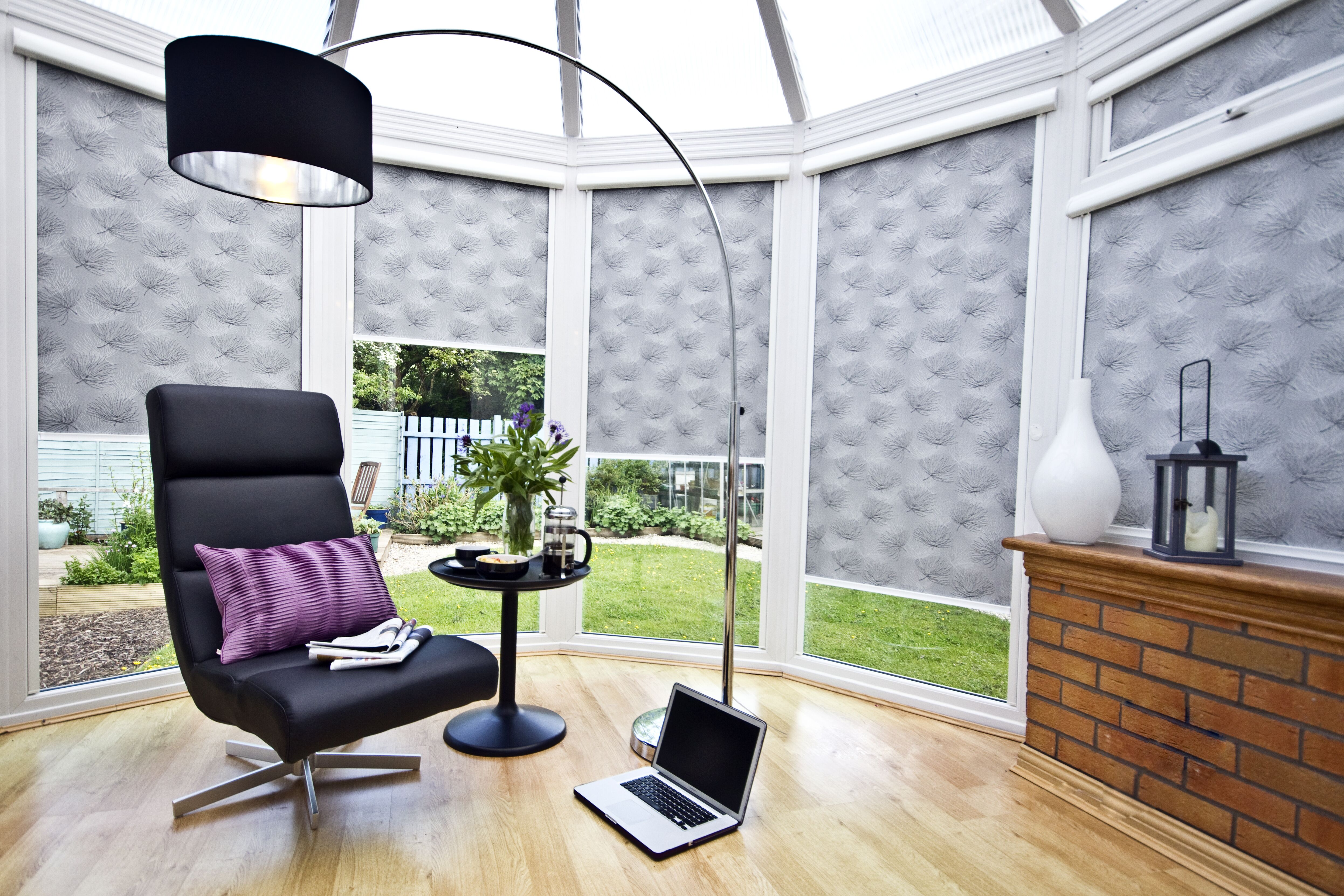
If you are having blinds fitted throughout a whole house, or in a space with many windows such as a conservatory or an office, it is worth grouping the installation into one or two appointments rather than separate visits. This saves time and often reduces the overall cost. A conservatory with five or six large windows and a roof blind might take a full day, but a single visit means the fitter can work through the room methodically and test everything together.
For complex windows such as bay windows or sliding patio doors, the fitting may require more than one person. In these cases, the installation time per window is longer, but the quality of the fit is better because the brackets are aligned precisely. The fitter may also need to cut the blind to length on site or adjust the tension of spring mechanisms, which adds a few minutes per blind but ensures a perfect operation.
Choosing a professional fitter who is familiar with a wide range of blind types can make a noticeable difference. For instance, Peak Blinds - Hand Fitted Blinds - Derbyshire works with many styles and window shapes, so the installer knows what to expect and brings the right tools and fixings for each job. This experience reduces the chance of surprises on the day and helps keep the installation within the estimated time.
What happens after the blinds are fitted
Once the last blind is hung, the fitter will test each one: raising and lowering, tilting slats, checking that the operating chain moves smoothly, and ensuring that any child safety devices are properly fitted. They will also show you how to use the blinds and answer any questions you have. This part of the appointment usually takes fifteen to thirty minutes depending on how many blinds there are and whether any are motorised.
After the fitter leaves, you can start using the blinds straight away. If any adjustments are needed later - for example, a cord has stretched or a bracket has loosened - most fitters will return to fix it within a reasonable period. The timeline for such a follow-up visit is usually a few days to a week, depending on the company's schedule.
Understanding the typical timeline for a blind installation project helps you plan your home improvement with confidence. From the initial survey to the final fitting, each stage has its own duration, but the overall process is straightforward when you know what to expect. For most homes, the fitting itself is a relatively quick job, and the wait for made-to-measure blinds is the part that requires the most patience. With a clear plan and a reliable fitter, your new blinds can be up and working within a matter of weeks.